Fit
Three numbers, taken once, and the size question stops being a guess
A letter on a label is not a measurement. Take bust, waist and hip once, and every page on this site turns into a yes or a no.
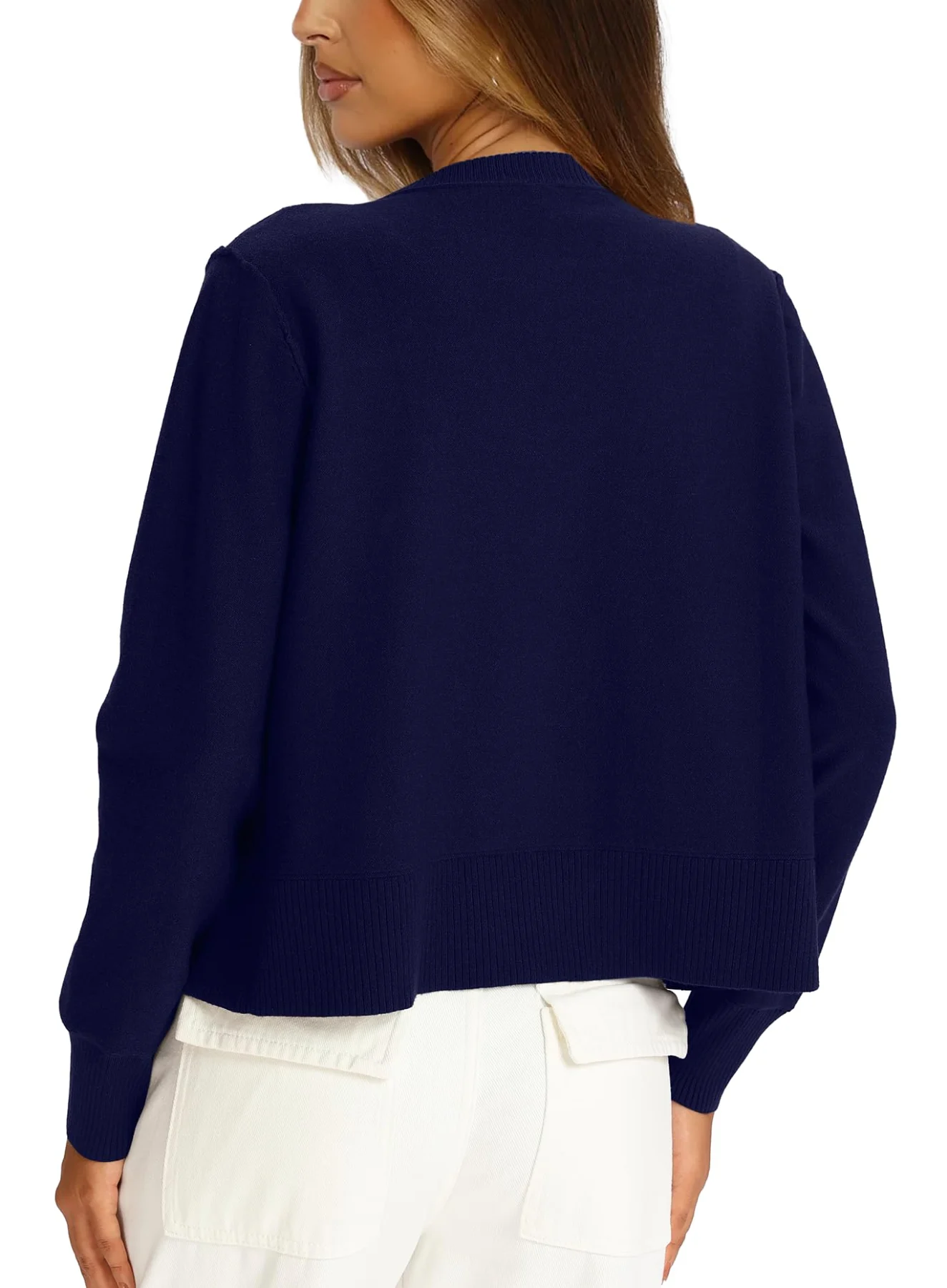
Two tabs, two sizes, one useful place to start
You have two browser tabs open, one showing a medium and the other a large, while the tape measure waits beside your keyboard. The product looks right in both tabs. The letters do not help much, because a medium in one wardrobe can sit like a small in another.
That uncertainty does not mean you have missed something obvious. A letter gives you a category, not a measurement. Brands build their categories around different shapes, proportions, and design choices, so the same letter can describe different amounts of room through the bust, waist, hip, shoulder, or armhole.
We start somewhere more useful. Our range includes fitted tops, camisoles, long-sleeve knits, and two-piece sets, so the decision depends on the shape of the garment and the way you want it to sit. A close-fitting knit asks a different question from a wide-leg trouser, even when both use the same letter on the label.
Your tape measure can replace much of the guesswork, but it cannot decide your preference. It can tell you how your body compares with the garment’s intended proportions. You still decide whether you want a fitted top to read as a second skin or a little more forgiving through the body.
That distinction matters across our range. We have seventy-eight cuts in one hundred and fifty-seven colorways, while fifty-five cuts run from XS through XL in every colorway they come in. More choice makes a measured starting point useful. It does not make the letter itself more precise.
Why the letter changes, and what our block controls
A size letter works only inside the system that created it. It is a shorthand for a set of proportions, and those proportions can shift from one label to another. The letter does not tell you where the shoulder sits, how deep the armhole feels, or how far the garment travels from shoulder to waist.
Our block gives those details a common starting point. Think of it as the pattern underneath the pattern. Before we draw a neckline, add a pocket, or shape a style line, the block establishes the shoulder shape, armhole depth, and distance from shoulder to waist.
Everything in our range is drafted on one block, so a fitted top and a camisole begin with the same underlying relationship between those areas. The finished cuts still differ. A knit may follow the body more closely, while a set may leave more room through the leg. The block creates consistency, not one universal experience of every garment.
That difference explains why a letter cannot settle the question by itself. You may measure between two sizes and still need to consider stretch, structure, and the amount of ease the cut allows. A garment with recovery can draw closer to the body than its flat measurement first suggests, because the fabric does part of the work.
Look at the garment’s job, too. Our twenty-three pocketed cuts solve a practical need, while twenty cuts carry a drawstring waist for adjustable ease. Those details change how you use a piece, but they do not replace the three measurements that give you a sound starting point.
Take three numbers, each for a different decision
Use a flexible tape and measure your body, not your clothes. Clothing adds space between the tape and you, so a tape taken over a top or pair of pants reads larger than the body underneath. Keep the tape flat without pulling it tight, then write down the three numbers before you open the product page again.
Start at the bust, taking the tape around the fullest point. Hold it flat across your back and level under your arms, because a tape that slopes upward or downward changes the result. This number gives you the clearest starting point for fitted tops, camisoles, and the upper part of a two-piece set.
Next, find your natural waist. Bend sideways and notice where your body creases. Bring the tape around that narrowest point, keeping it level and relaxed. The waist matters most when the garment needs to sit there, especially a trouser with a defined waistband or a set that joins a top to a bottom.
For the hip, measure about nine inches below the waist. Keep the tape level around the fullest part of that area, since the lower half of a set needs room to move there. Compare this number with the cut you are considering rather than letting the bust measurement make the whole decision.
In practice, the bust guides the top, the waist guides the waistband, and the hip guides the lower shape. For a two-piece set, the waist deserves particular attention because the top follows the bust while the trouser follows the waist. One letter has to serve both pieces, so your three numbers show where the real compromise may sit.
Between two sizes, choose the way the piece should sit
Sometimes your measurements place you between two sizes. That does not automatically make one choice correct. The smaller option may read as a second skin, while the larger one may skim the body. Both can be right answers when you choose them deliberately.
Think first about the garment’s purpose. A fitted top may look intentional when it follows the bust and stays close through the waist. A long-sleeve knit with recovery can also draw in as you put it on, because the fabric gives some structure and returns toward its original shape.
A camisole can call for a different decision if you want space through the body or prefer less contact at the armhole. For a two-piece set, compare the bust and waist separately before choosing the letter that serves the whole outfit. If the waist is the point you cannot comfortably compromise, let that measurement carry more weight for the trouser.
Your preference belongs in the decision, not after it. Choose the smaller size when you want a closer outline and the fabric can support that intention. Choose the larger size when you want the garment to skim, or when extra room matters more than a sharply fitted line.
Do not use habit as a substitute for that choice. The size you usually select elsewhere may reflect a different block, a different fabric, or a different idea of ease. Recovery also changes the experience between a flat garment and a garment on the body, so allow for what the fabric does rather than treating the flat measurement as the whole story.
The aim is not to discover a magical letter. It is to decide how you want the piece to sit, then choose the size that supports that decision.
Wide-leg trousers ask one more question: where will the hem land?
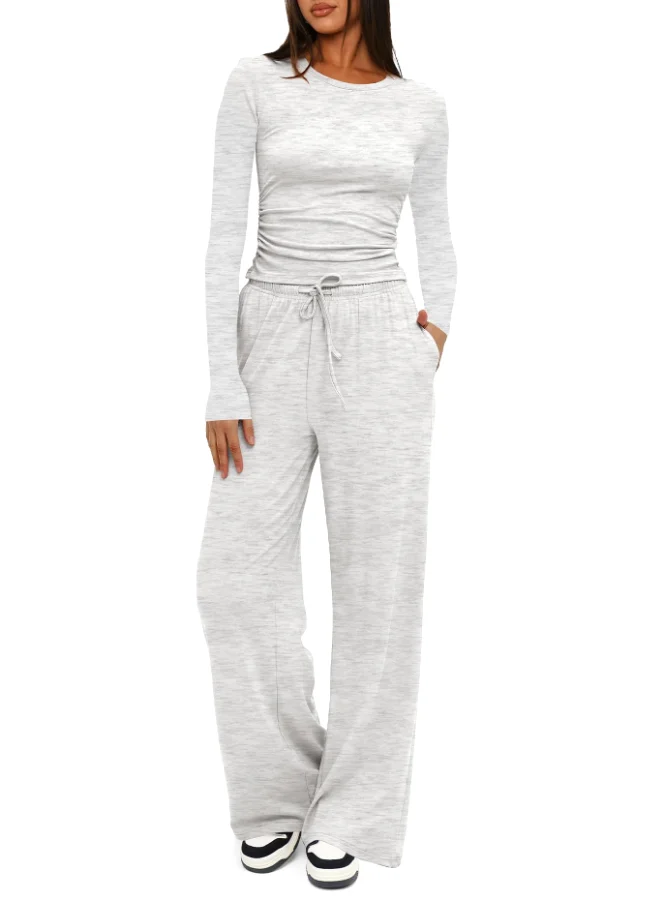
Once the bust, waist, and hip are clear, wide-leg trousers add a question that measurements alone cannot answer: where do you want the hem to finish on your body?
Our wide-leg two-piece sets are cut for an average inseam. That range gives you a useful reference, but height does not determine every detail of the finished line. Leg proportion, shoe height, and your preferred hem position can all change the way a wide leg looks.
Stand naturally and picture the trouser with the footwear you expect to wear. A longer hem can create a sweeping line, while a shorter finish shows more of the shoe and changes the proportion of the set. Neither choice is automatically right. The useful question is the one you can answer before deciding on a size: do you want the trouser to meet the shoe, clear it, or sit somewhere between those points?
A simple hem can solve a height concern without changing the waist or hip decision. If the top follows your bust and the trouser sits correctly at the waist, altering the length may be more sensible than moving up or down a size. A twenty-minute hem can turn an almost-right trouser into one that meets your preferred point, assuming the garment and your alterations service allow for it.
That is why we separate length from size. Do not choose a larger or smaller letter merely to chase a different hem. Use the bust, waist, and hip to decide the cut’s width, then consider the leg’s finish as its own practical adjustment.
What measurements settle, and what the return window is for
We can give you a clear method, but we cannot settle every part of the decision from three numbers. Measurements show how your body compares with the garment’s intended proportions. They do not tell us whether you want a close outline, a softer skim, or a particular hem position.
We also cannot promise one result for every fabric or cut. Seventeen of our cuts are double-lined, and seventeen carry a padded shelf bra. Those construction details change the garment’s feel and structure. Twenty-three cuts have pockets, while twenty carry a drawstring waist, so practical features can affect how you use a piece after you make the initial size decision.
What we can say is where to begin. Measure the bust, waist, and hip on your body. Keep the tape level and flat, then give each number the job it actually performs. Let the bust guide the top, the waist guide the two-piece trouser, and the hip guide the lower shape. After that, choose between a second-skin fit and a skimming fit on purpose.
The return window is for the part a tape measure cannot settle: seeing how the garment feels and sits in your own routine, according to the stated return terms. Read those terms before ordering so you know the applicable time limit and condition requirements. Measurements should narrow the choice first, not become a reason to order blindly.
Back at the two tabs, the medium and large no longer ask the same vague question. One may support the close line you want. The other may give you the skim you prefer. You have three numbers, a clear priority, and a reason for choosing either one.
Take the measurements with you
Every size and colourway in the Darong selection sits behind this button.
Opens with our retail partner. Sizes, shades and the return window are theirs.