The small print in the seam
What the label in your side seam is required to tell you
Two federal rules govern the label sewn into your side seam. What they require, what they leave out, and how to read one before the garment goes in the machine.
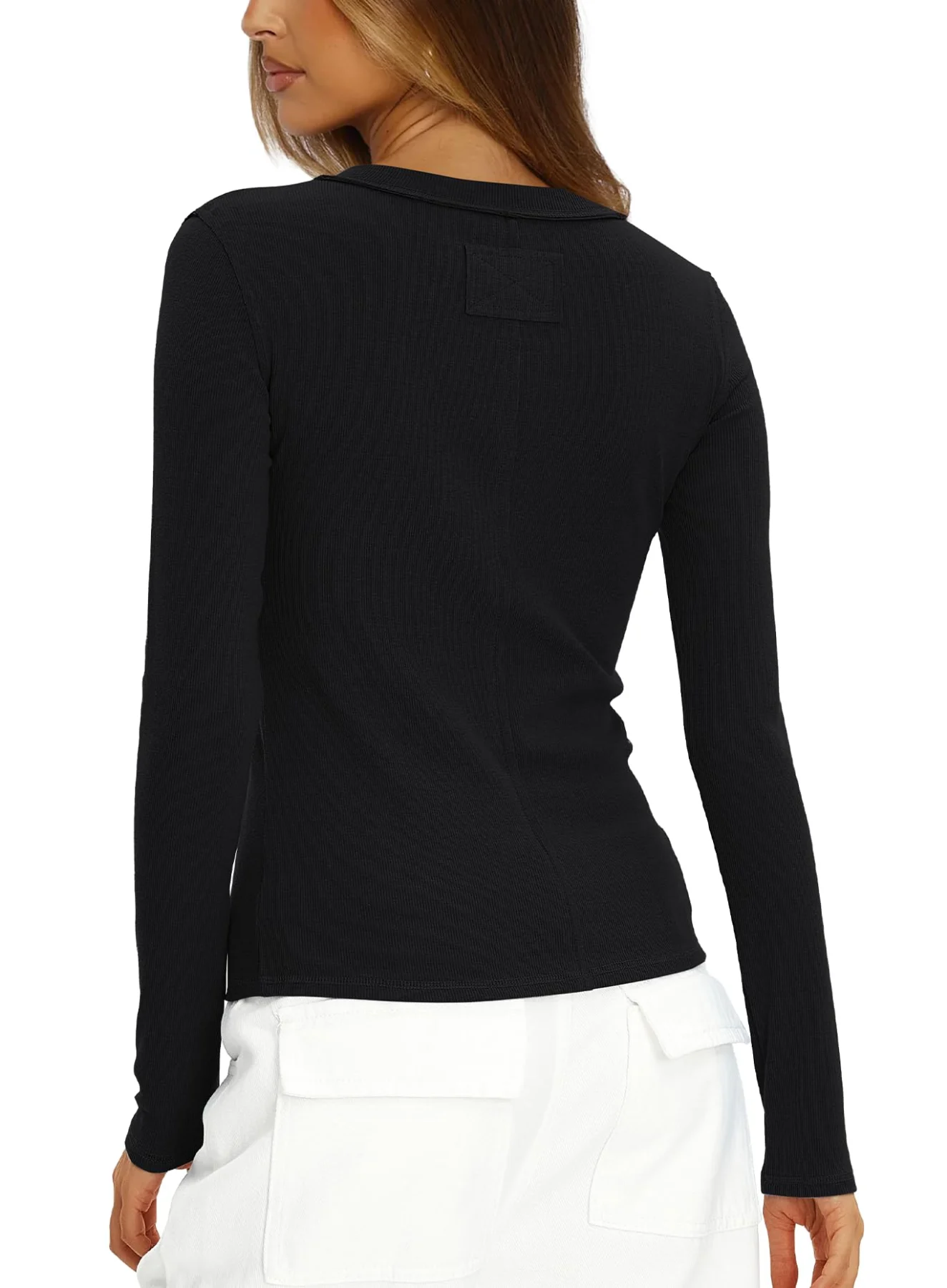
Start with the label in your hand
You are standing at the washing machine with a garment in hand, trying to read a side-seam label folded into a narrow strip. The print may be small, but the information has a defined job. Two federal rules govern much of what appears there: one covers care instructions, and the other covers fiber content and company identification.
Those rules give you useful answers before the first wash. They tell you whether the garment takes a hand wash or a machine wash, how it dries, and where bleach does damage. They can also show which fibers make up the fabric, the proportion of each named fiber, the country where the product was processed or manufactured, and the company’s legal name or identification number.
None of that requires you to become a textile expert. Read the label as a set of practical boundaries. It tells you what treatment the garment should withstand when you follow the instructions, and it shows you information about the fabric itself.
Your part begins with a closer look. Find the care instructions, then find the fiber list. Notice what the label says plainly, along with what it leaves open. A label cannot settle every question about fit or appearance, but it can help you decide if the garment suits the way you live.
That decision belongs to you. We can give you clear information, while you know how often you wash, what your machine does, and which small compromises become irritating after a few wears.
What the care rule requires
The care labelling rule requires a garment to carry a full set of regular-care instructions. If regular cleaning could harm the garment, the label needs a warning instead. That distinction matters because a short instruction is not automatically an incomplete one. It may be the necessary warning for that particular garment.
First, the label must say whether you should wash by hand or by machine. When regular use of hot water could damage the garment, the label must also give a water temperature. That detail sets a limit where temperature could change the result.
Drying needs its own instruction. The label must tell you a drying method, and it must give a temperature when high heat could cause harm. Ironing appears only when the garment needs repeated ironing. You do not need an ironing instruction simply because an iron might be used occasionally.
Bleach instructions are required as well. Where chlorine bleach damages the garment and non-chlorine bleach does not, the label carries the line “Only non-chlorine bleach, when needed.” When no bleach is safe, it should say, “Do not bleach.”
Specific warnings belong on the label when a procedure could harm the garment. “Wash with like colors” is one example for something that is not colorfast. These words are not decorative advice. They identify a treatment that could change the garment or affect another item in the wash.
Read the care line as a complete set. Washing, water temperature, drying, ironing, bleach, and warnings each answer a different question.
The evidence behind those words
Care instructions carry more weight because the maker must hold reliable evidence behind every instruction printed on the label. That evidence can come from industry expertise, test results, or evidence that the whole finished garment survives the recommended treatment.
In practical terms, a reasonable basis means the instruction cannot be a guess detached from the finished garment. The evidence needs to support the care treatment that appears on the label. A fabric name alone does not supply that basis, because the rule concerns the whole finished garment and the treatment recommended for it.
This gives you a useful way to read care language. Treat the instructions as boundaries supported by evidence, not as vague suggestions added for appearance. If the label says to wash by hand, that direction tells you something about the treatment the garment is expected to handle. If it limits water temperature or high heat, those limits identify conditions that could cause harm.
Following the label cannot guarantee that every garment will suit every routine. Your washing machine, your available time, and your tolerance for extra steps still matter. The rule does give you a clearer starting point, because the maker has responsibility for the instructions printed there.
That responsibility also helps you compare garments. Two pieces may look similar on a page, yet their care instructions can point to different daily demands. One may fit your routine better simply because its required treatment is easier for you to follow.
Look at the care instructions before you decide that a garment belongs in your regular rotation. They describe a commitment you will need to keep.
How to read the fiber list
Fiber names appear by generic name, in descending order of weight. The first named fiber makes up the greatest proportion among the listed fibers, followed by the next, and so on. Only fibers that account for five percent or more need individual names. Anything below five percent generally appears as “other fiber” or “other fibers.”
There is an important exception. A fiber below five percent may still receive its own name when it has definite functional significance. Four percent spandex for elasticity is the standard example. Wool and recycled wool receive special treatment too. The label must name and give a percentage for either one, however small the amount.
Percentages help you understand composition, but they do not turn the label into a performance promise. A listed fiber tells you what is present and in what proportion. It does not tell you exactly how the finished garment will drape, how the surface will feel, or how the fabric will respond to every movement.
Spandex shows why the exception matters. A small amount can have a defined function, so the label may name it even below the usual threshold. By contrast, a small decorative fiber without that functional significance may fall under “other fiber” rather than appear by name.
As you read, notice both the order and the exceptions. A blend of rayon with spandex communicates a different composition from cotton with spandex, while a list that includes “other fibers” tells you that some components fall below the individual naming threshold.
The fiber list gives you a foundation for judging a garment. Use it alongside the cut and the care instructions, rather than asking it to answer questions it was never designed to answer.
What the label cannot tell you
A fiber label cannot tell you everything you want to know before wearing a garment. It does not settle the fit, the drape, or the way a knit recovers after stretching. It also does not tell you whether a pale color will look transparent in the light.
Those questions belong to the garment’s design and construction, not to the two rules governing the side-seam label. You need other information to judge them. Consider the cut, look at the available images, and think about the shape you want from the piece. The label can tell you composition and care boundaries, while those details help you imagine the garment in your life.
Care instructions have limits too. They tell you the recommended treatment, but they cannot predict how often you will wash the garment or how carefully you will follow each step. A hand-wash instruction may be clear and fully supported, yet still feel impractical if you prefer a simpler routine.
Our own range includes fitted tops, camisoles, long-sleeve knits, and two-piece sets, so questions of shape matter alongside fiber content. Everything is drafted on one block, but that fact does not replace the need to consider the individual cut. Construction varies across the range as well. Seventeen cuts are double-lined, seventeen carry a padded shelf bra, and twenty-three have pockets.
Use the label for what it can tell you. Then look for the information that answers the rest of your questions, especially when fit, coverage, and daily care will determine whether a piece earns space in your wardrobe.
How we use the same information
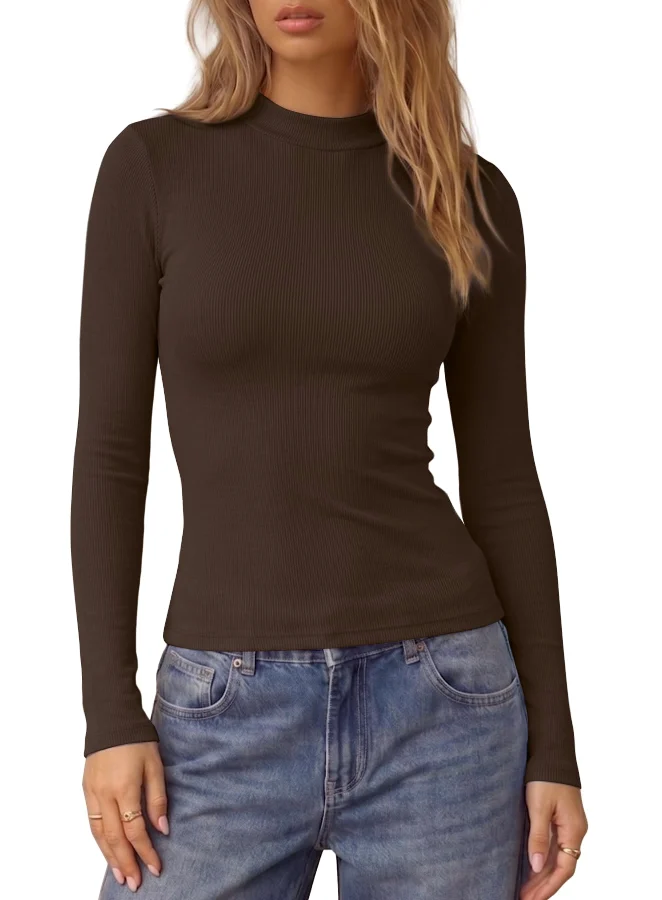
We use the same distinctions when we describe our own range. Fiber content belongs beside the garment details, because composition gives you a clear starting point for comparison. Across the range, we use rayon with spandex, cotton with spandex, and polyamide with spandex. Some of our long-sleeve knits use modal as well.
The numbers also give you a sense of the range’s scope without replacing the details of an individual cut. We have seventy-eight cuts and one hundred fifty-seven colorways. Fifty-five cuts run from XS through XL in every colorway. Those figures tell you how broadly we develop the range, while the page for each piece remains the place to consider its particular shape and construction.
Construction information helps fill in what a fiber list cannot. Seventeen of them are double-lined, seventeen carry a shelf bra and twenty-three have pockets, and each of those facts sits on the page of the piece it belongs to. We keep those details close to the garment description so you can consider coverage, support, and storage along with fabric composition.
Our aim is to give you information you can use, not to make the label carry every decision. Read the care instructions for the treatment they require. Read the fiber list for the materials and proportions it names. Then bring in the questions only you answer: how a piece needs to fit, where you want the hem to fall, and what your laundry routine actually does on a Tuesday.
The garment in your hand remains the starting point. A small label cannot choose for you, but it can make the choice more informed.
Take the measurements with you
Every size and colourway in the Darong line sits behind this button.
Opens with our retail partner. Sizes, shades and the return window are theirs.