Fabric
What a rib does after its first wash
Stretch and recovery are not the same property, and almost every complaint about a knit top is a complaint about the second one. The cuff test, and what it tells you.
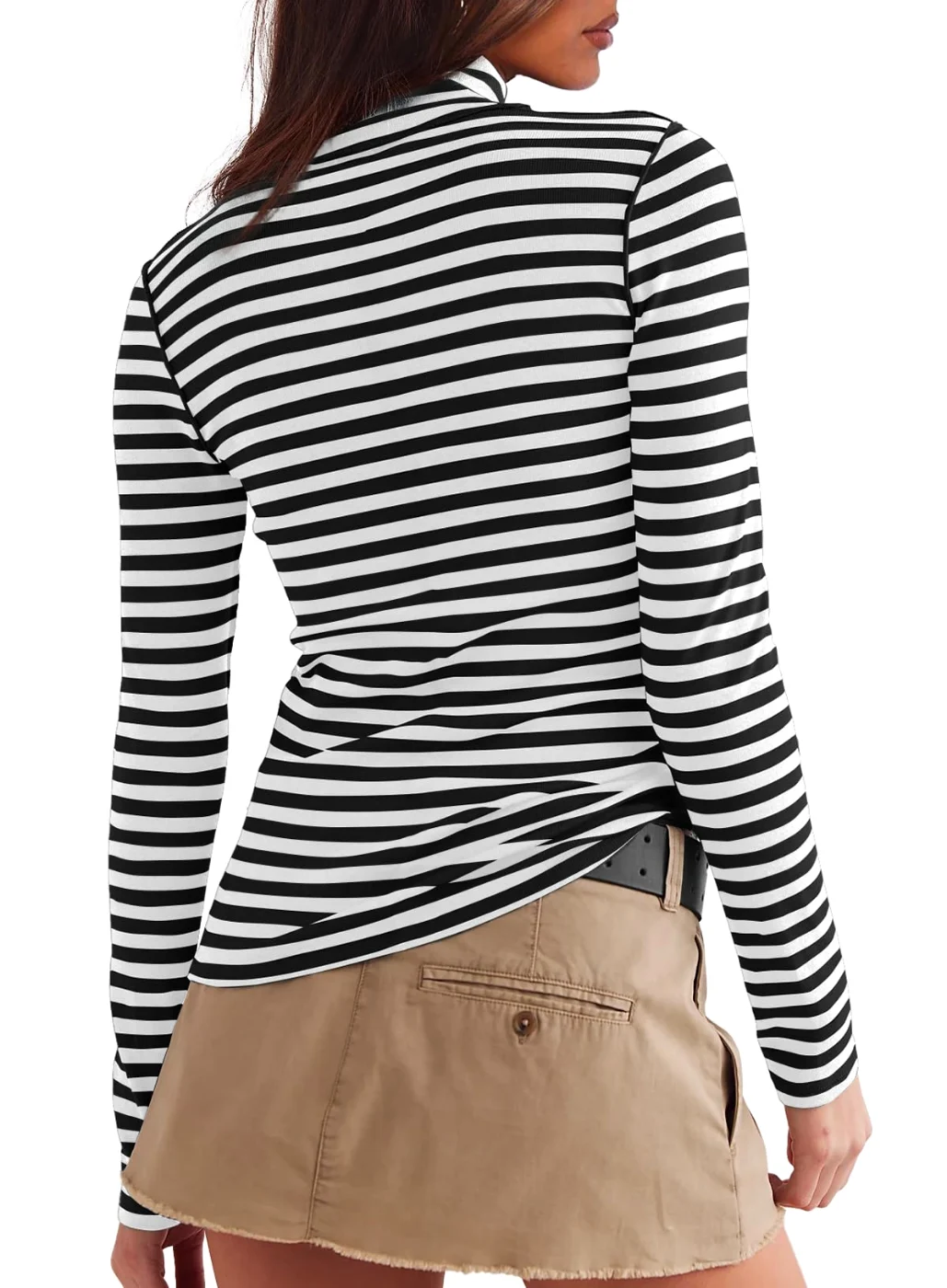
Start with the cuff test
Pull the cuff over your hand, then push it back up your arm and leave it there for ten minutes. When you look again, notice where it sits. Has it returned close to its first position, or has it stayed lower, wider, and a little tired?
That small test tells you more than a quick tug. You are looking at two separate qualities. Stretch describes how far the knit can open when you pull it. Recovery describes how well it returns after you let go. A top can stretch generously and still recover well. It can also stretch easily, then fail to come back.
Try the same movement at the hem, using your hands rather than your whole body. Hold the fabric level, ease it outward, then release it without twisting the garment. If the hem settles back into its original line, the knit has recovered. If it remains flared or uneven, you are seeing the result of recovery giving way.
Most complaints about a knit top begin here. You expected a close fit to return to its shape, but the fabric remembered the stretch instead. A neckline can widen. A cuff can slide down the arm. A hem can lose the line that made the top feel fitted in the first place.
At Darong, we make fitted tops, camisoles, long-sleeve knits, and two-piece sets across seventy-eight cuts and one hundred and fifty-seven colorways. All of those cuts start from one block, but the fabric still determines how a shape behaves after you pull it on, take it off, and wash it.
Stretch gives you room. Recovery brings it back.
Elastane, also sold as spandex, is the fibre that helps a knit return to its original dimensions after you stretch it. It does not make stretch and recovery identical. Instead, it supports recovery within the structure of the fabric.
Picture the cuff test again. Your hand needs the cuff to open, so the cuff needs stretch. Once your hand has passed through, the cuff needs recovery so it can sit near its earlier size. Without that return, the same quality that made the top comfortable can leave the cuff loose.
The hem shows a related problem. Pulling the fabric across your body asks it to stretch. Sitting, reaching, and taking the top off repeat that request. A knit with recovery can respond and then settle back. A knit with less recovery may hold some of the new shape.
Sixty-five of our seventy-eight cuts carry stretch with recovery. We use cotton with spandex on the ribs that need to hold a shape, while rayon with spandex goes into lounge sets and drapier tops. Polyamide with spandex appears on pieces meant to move, and modal features on some long-sleeve knits. Those choices give each fabric a different hand and behavior, so the same cuff test may feel different from one cut to another.
Look at the top as you test it. The goal is not the tightest possible return. A good result is a fabric that opens enough for movement, then comes back without leaving the cuff or hem noticeably displaced.
Heat changes the return
Heat is the main enemy of elastane over time. A hot wash and a hot dryer do more damage than wear does, so the wash routine matters even when the top looks fine going into the machine.
Washing already asks a knit to relax. Water lets the fabric loosen, and the shape can shift while the garment is wet. Heat adds stress to the elastane that helps the knit return. Repeated exposure can leave less recovery for the next time you pull the top over your head.
That does not mean a cold wash can restore a cuff that has already changed. It means avoiding unnecessary heat gives the fabric a better chance to keep the recovery it has. Keep the wash cooler rather than hotter, and skip the hot dryer. Once the garment is wet, lay it flat so it can take its shape again as it dries.
Drying flat matters more than washing cold because wet fabric relaxes under its own weight. A fitted top hanging while damp can lengthen or distort before it dries. Flat drying supports the shape instead of asking gravity to set a new one.
You can read the result through the cuff and hem after the top dries. If the cuff returns more closely than it did straight from the machine, the fabric may have relaxed while wet and recovered as it dried. If the hem still looks stretched or the cuff remains low, heat or repeated strain may have affected the elastane.
The practical routine stays simple:
- Keep heat away from the wash and dryer.
- Dry the top flat while the fabric is wet.
- Test the cuff and hem after drying, not before.
A rib is more than a ribbed edge
A garment knitted as a rib throughout behaves differently from a jersey top with a ribbed collar or cuff. The names can sound similar, but the construction you hold in your hands changes how the fabric stretches and returns.
A rib is a knit structure made from alternating columns. Across those ribs, the fabric opens and pulls back. You can often see the vertical channels when you spread the fabric gently. The whole body of the garment participates in the movement, not only the edge around your neck or wrist.
Jersey is a different knit structure. A jersey top may include a ribbed collar or cuff to help finish the opening, while the body remains jersey. In that case, the edge can feel firm or springy even though the main fabric responds differently. Testing only the collar would tell you about the trim, not the body you wear.
Hold the garment at the side seam and look across its surface. Then inspect the cuff or neckline separately. If the visible rib structure continues through the body, you are holding a rib garment. If the body has a smoother face and the rib appears only at an opening, you have jersey with a ribbed trim.
Our cotton-with-spandex fabrics go into the ribs that hold a shape. That choice fits the way a rib works across the garment, where stretch and return happen throughout the body. A drapier rayon-with-spandex top may respond more softly, even though it also carries stretch.
The distinction matters after washing because you should judge the main fabric, not only the neatness of the edge. Run the cuff test, then examine the side seam and hem. A rib throughout gives you one connected structure to assess. A jersey body with rib trim gives you two different behaviors in one top.
What two layers change
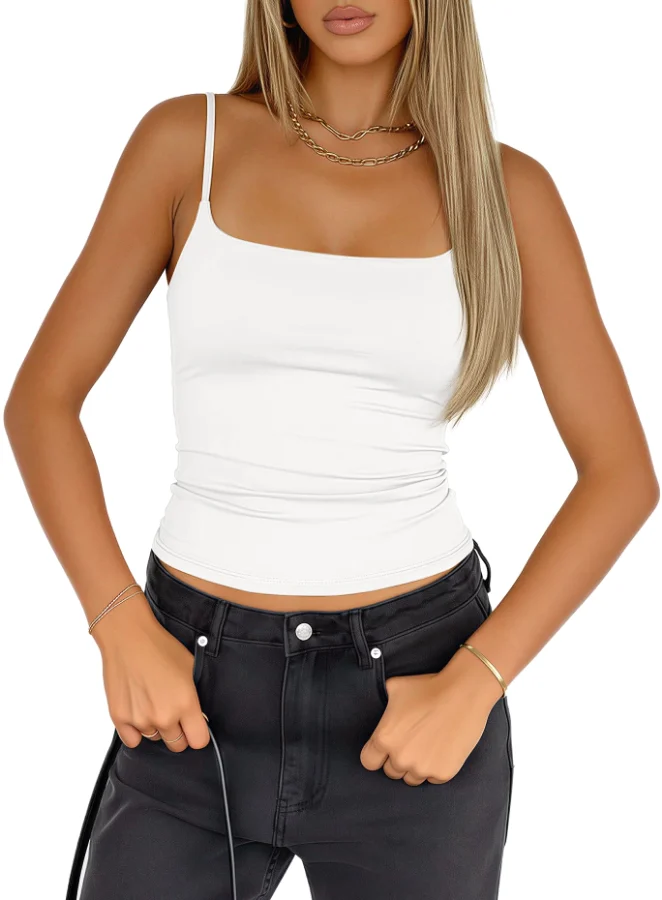
Double-lined knits give you two layers of the same knit rather than one. That extra layer changes what you see in daylight and how the top behaves beneath a strap, even though it does not turn stretch into recovery.
Hold a single layer near a window and then place the double-lined section beside it. Two layers can create a more covered appearance because the same knit sits over itself. The result depends on the fabric and colorway, so the daylight test remains useful when you want to understand what you are holding rather than rely on the name of the construction.
A strap creates a second kind of test. Put the top on, or hold the strap across the fabric, and watch how the layers respond where they meet. With two layers, the strap meets a doubled surface instead of one. That can change the way the line shows through and how the fabric settles around it.
Seventeen Darong cuts are double-lined. Seventeen cuts also carry a padded shelf bra sewn into the lining. Those are related facts, but they are not the same construction. Double lining means two layers of the same knit. A shelf bra means a padded bra sewn into the lining. One cut may have one feature, both, or neither, so look at the inside rather than assuming.
The cuff and hem still tell you about recovery. Two layers may make the garment feel more substantial, but they cannot correct elastane that heat has damaged. Test the top after it dries flat, then check the outside in daylight and the inside around the strap area. You are reading coverage and recovery separately, because they answer different questions.
Our camisoles and fitted tops often make these differences easy to notice. A doubled layer can change the appearance before you ever pull the garment on. The cuff test shows what happens afterward.
If the shape has already changed
Start with the least dramatic explanation. Fabric relaxes when it is wet and takes its shape again as it dries, so a top that looks wider straight from the machine may settle closer to its earlier form after it dries flat.
Lay the garment flat while it is wet and arrange the hem, side seams, and cuffs into their original lines. Do not pull one section farther than the other. Let the fabric dry in that shape, then repeat the cuff test and compare the hem with its earlier outline.
If the cuff returns nearer to your arm and the hem settles back into line, the change may have come from the fabric relaxing while wet. That is a useful return, but it does not mean every altered shape will reverse.
Heat can degrade elastane over time. A hot wash or hot dryer may leave the fabric with less recovery, and drying flat cannot replace that lost response. The same is true of repeated strain. Once elastane has degraded, some of the change may remain.
Look for the signs rather than forcing the garment back. A cuff that stays low after drying, a neckline that remains open, or a hem that keeps its flare has not fully recovered. Stretching the top again will not solve that problem. More pulling can ask the fabric to hold an even newer shape.
Our range includes fabrics chosen for different kinds of movement. Cotton with spandex supports the ribs that hold a shape, while polyamide with spandex suits pieces meant to move. Rayon with spandex brings a drapier response to lounge sets and some tops. None of these choices removes the need to keep heat away.
The honest answer is simple. Some looseness comes back as wet fabric dries. Recovery lost through heat or prolonged strain may not. The cuff and hem will tell you which one you are seeing.
Take the measurements with you
Every size and colourway in the Darong wardrobe sits behind this button.
Opens with our retail partner. Sizes, shades and the return window are theirs.